
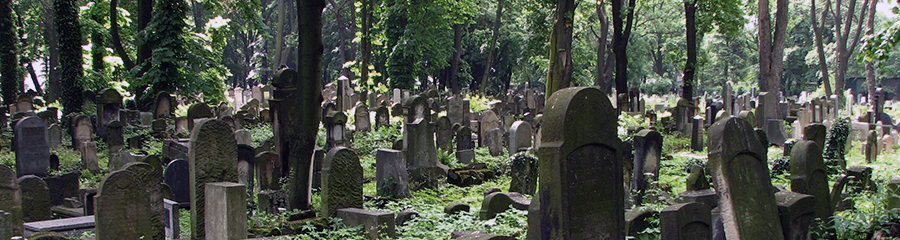
Cemetery
In addition to its regular cultural resource management capabilities, AECOM Burlington’s scope of services includes cemetery/bioarchaeological investigations. Our firm maintains a team of experienced, nationally recognized experts specializing in the excavation, recovery, and analysis of human burial remains, including those associated with both prehistoric Native American and historic-period cemeteries. The AECOM cemetery team is thoroughly familiar with a wide range of local and state regulations regarding the preservation and relocation of human remains; extremely experienced in the process and protocols of cemetery research, excavation, and documentation; and is capable of preparing relocation-related court petitions and providing expert testimony in conjunction with legal proceedings. Our staff is actively involved in the broader cemetery preservation and archaeological communities, and regularly conducts highly praised professional workshops on cemetery research and investigation at both regional and national archaeological conferences.
Archaeologists and historians in our Burlington office have developed specific expertise in researching, documenting, and investigating historic cemeteries, and over the past several years, the archaeological team has conducted or consulted on many such projects throughout the Mid-Atlantic region. These projects, performed for a variety of both public and private institutions, involved the identification, exhumation, documentation, analysis, and relocation of grave clusters consisting of anywhere from three to more than 600 individuals, and ranging in age from the eighteenth through the twentieth centuries. These projects also involved the recovery, identification, and analysis of all associated funerary artifacts, such as coffin furniture and interred personal objects. Our team maintains that the relocation of burials should only be a last option implemented when other alternatives have been exhausted, and we have frequently worked with local communities and preservationists to ensure that planned construction projects minimally impact historic burial grounds. By implementing a variety of approaches—including the use of cutting-edge ground-penetrating radar and other remote-sensing technologies, as well as targeted non-destructive subsurface testing—we have been successful in establishing cemetery boundaries in advance of ground disturbance, and in crafting plans that permit development projects to move forward while simultaneously ensuring the continued preservation of burial sites.
Project Fact Sheets